

(Milestone College – Final Part) Early Detection of Heart Disease Now Possible Through Mobile Apps!


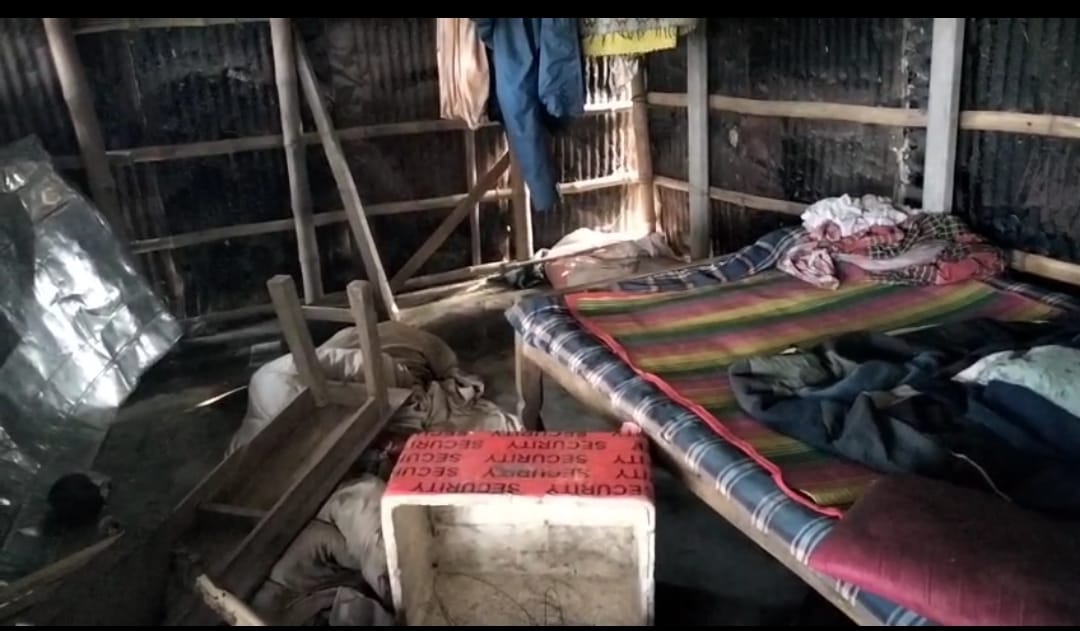
After the training aircraft crash at Milestone College in Uttara, a devastating fire caused multiple casualties and injuries. The blaze destroyed large parts of the college, and the burning of metals, plastics, and electronic components released toxic substances such as dioxins, furans, heavy metals, and other carcinogens into the air. These substances pose serious long-term health risks, including cancer, cardiovascular diseases, respiratory complications, neurological disorders, skin problems, and hormonal imbalances.
Such health risks are not limited to immediate effects but continue to impact over the long term. Therefore, early detection of diseases like cancer and heart problems is essential for timely treatment and prevention.
Technology at the Forefront: Mobile Apps for Health Detection
In today’s world, mobile app–based health services have become increasingly popular. With advanced technology, many apps can automatically analyze vital health data such as respiratory function, heart rate, oxygen level, skin changes, and stress indicators. Through these tools, early signs of cancer and cardiovascular diseases can be detected more efficiently.
Mobile Apps for Cancer Detection
SkinVision – Uses AI to analyze photos and assess skin cancer risks.
Miiskin – Helps track and monitor changes in skin moles or marks.
MoleScope – Captures high-resolution clinical-grade images for doctors.
Ada Health – Analyzes symptoms and provides possible diagnoses.
SkinScan and DermCheck – Enable automated photo analysis and dermatologist consultations.
Cancer.Net Mobile – Offers cancer patients information, symptom tracking, and support.
Mobile Apps for Heart Disease Detection
Cardiio – Uses facial scans via phone camera to measure heart rate and variability.
FibriCheck – Detects irregular heartbeat or atrial fibrillation (AFib) with a smartphone.
KardiaMobile (AliveCor) – Records ECG readings and provides app-based analysis.
Qardio – Monitors blood pressure, heart rate, and body weight.
Instant Heart Rate – Measures heart rate instantly by placing a finger on the camera.
The Context of Bangladesh
For developing countries like Bangladesh, expanding the use of mobile health apps is vital. If long-term health risks can be detected early after disasters, treatment and prevention will be more effective. Especially in rural areas, people will gain easier access to healthcare, public awareness will increase, and overall national health will improve.
Steps for Implementation
Policy Formulation – The Ministries of Health and ICT must jointly authorize mobile health apps, ensure promotion, and safeguard data privacy.
Training and Awareness – Educational institutions, healthcare workers, and the public should receive training on using these apps.
Research and Collaboration – Universities like Dhaka University, BSMMU, BUET, and international research institutions must be engaged.
Funding and Support – Organizations such as WHO, UNDP, the World Bank, and ADB should provide technical and financial support.
NGO and Private Sector Involvement – BRAC, Gonoshasthaya Kendra, Red Crescent, and others can play crucial roles in field-level implementation.
Conclusion
Mobile-based health technologies are advancing rapidly and gaining popularity worldwide. In crisis situations like accidents, their role in instant health detection and treatment can be revolutionary. Particularly for the early detection of cancer and heart disease, adopting such apps on a wide scale in Bangladesh is now a pressing need.
Author – Md. Shoyb Hossain
Music Instructor, Researcher, Thinker, and Human Rights Activist.